

Measuring stress accurately is a crucial task in various fields, from engineering and construction to scientific research. As a trusted supplier of high - quality measuring tools, we understand the significance of having the right equipment to measure stress effectively. In this blog, we will explore how to measure stress using measuring tools, the types of tools available, and how our products can assist you in this process.
Understanding Stress
Before delving into the measurement techniques, it's essential to understand what stress is. In physics and engineering, stress is defined as the force applied per unit area. It can be classified into different types, such as tensile stress (stretching), compressive stress (squeezing), and shear stress (sliding). Each type of stress requires a specific approach for accurate measurement.
Types of Measuring Tools for Stress
Strain Gauges
Strain gauges are one of the most commonly used tools for measuring stress. They work based on the principle that when a material is subjected to stress, it undergoes a change in its dimensions. A strain gauge is a device that measures this change in length or strain. By using Hooke's law, which states that stress is proportional to strain within the elastic limit of a material, we can calculate the stress from the measured strain.
Our company offers a wide range of strain gauges that are highly accurate and reliable. These gauges are designed to be attached to the surface of the material under test. They can be used in various applications, such as in mechanical engineering to measure the stress in machine components, or in civil engineering to monitor the stress in structures like bridges and buildings.
Pressure Sensors
Pressure sensors are another important tool for measuring stress, especially in applications where the stress is in the form of pressure. For example, in hydraulic systems or in pressure vessels, pressure sensors can be used to measure the internal pressure, which is related to the stress within the system.
We provide high - precision pressure sensors that are suitable for different pressure ranges and environments. These sensors can be used in industrial settings, automotive applications, and even in scientific research to measure the stress caused by fluid pressure.
Load Cells
Load cells are used to measure the force applied to an object. Since stress is the force per unit area, if the area is known, the stress can be calculated from the measured force. Load cells are commonly used in weighing systems, material testing machines, and in applications where the force exerted on a structure or component needs to be measured.
Our load cells are designed to provide accurate and stable measurements. They are available in different capacities and configurations to meet the diverse needs of our customers. For example, in a manufacturing process, a load cell can be used to measure the stress on a production line conveyor belt.
Using Our Measuring Tools to Measure Stress
Step 1: Select the Right Tool
The first step in measuring stress is to select the appropriate measuring tool based on the type of stress, the material under test, and the application requirements. For example, if you are measuring the stress in a thin metal sheet, a strain gauge might be the best choice. On the other hand, if you are measuring the stress in a pressure vessel, a pressure sensor would be more suitable.
We have a team of experts who can help you choose the right tool for your specific application. They can provide you with detailed information about the features and specifications of our products, and guide you through the selection process.
Step 2: Prepare the Measurement Setup
Once the tool is selected, the next step is to prepare the measurement setup. This includes attaching the measuring tool to the material under test correctly. For strain gauges, proper surface preparation is crucial to ensure accurate measurements. The surface needs to be clean, smooth, and free of any contaminants.
In the case of pressure sensors, they need to be installed in the correct location within the system to measure the relevant pressure accurately. Load cells also need to be installed in a way that the force is applied correctly and uniformly.
Step 3: Take Measurements
After the setup is complete, the measurements can be taken. Our measuring tools are equipped with advanced technology that allows for easy and accurate data collection. Many of our products can be connected to data acquisition systems, which can record and analyze the measured data.
For example, our strain gauges can be connected to a strain indicator or a data logger. The strain data can then be transferred to a computer for further analysis. Pressure sensors and load cells can also be integrated with data acquisition systems to provide real - time monitoring of the stress.
Step 4: Analyze the Results
Once the measurements are taken, the data needs to be analyzed. This involves calculating the stress from the measured values using the appropriate formulas. For example, if using a strain gauge, the stress can be calculated by multiplying the measured strain by the Young's modulus of the material.
Our company also provides software solutions that can assist in the data analysis process. These software programs can perform complex calculations, generate reports, and even provide graphical representations of the stress distribution.
Examples of Using Our Tools in Real - World Applications
Example 1: Measuring Stress in a Bridge
In a bridge construction project, our strain gauges can be used to monitor the stress in the bridge structure. By attaching strain gauges to critical parts of the bridge, such as the beams and columns, engineers can continuously monitor the stress levels during construction and after the bridge is in use.
If the stress levels exceed the design limits, appropriate measures can be taken to ensure the safety of the bridge. Our strain gauges are durable and can withstand the harsh environmental conditions, such as temperature variations and humidity, that bridges are exposed to.
Example 2: Measuring Stress in a Hydraulic Cylinder
In a hydraulic cylinder, our pressure sensors can be used to measure the internal pressure, which is related to the stress within the cylinder walls. By monitoring the pressure, engineers can ensure that the cylinder is operating within its safe stress limits. This helps to prevent failures and improve the reliability of the hydraulic system.
Our Other Measuring Tools for Related Applications
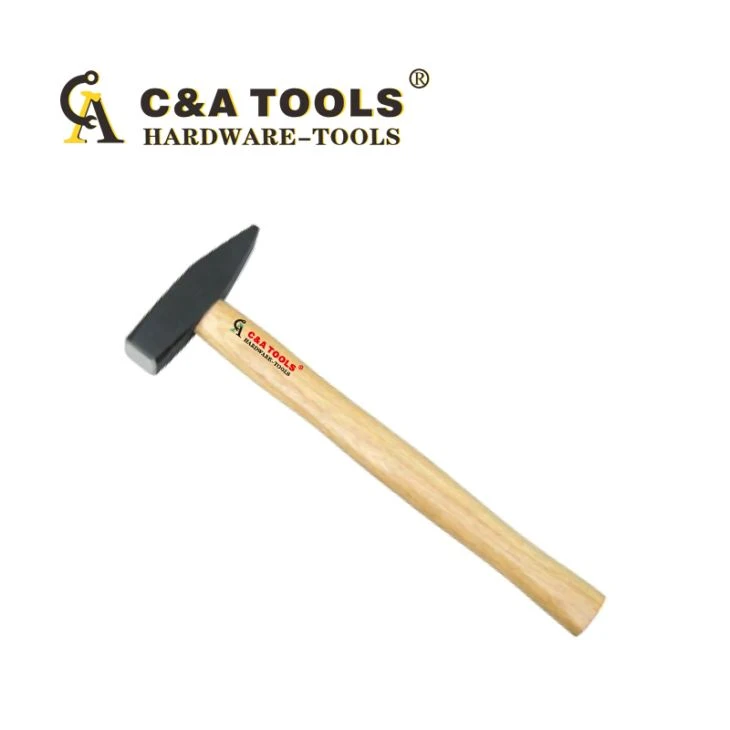
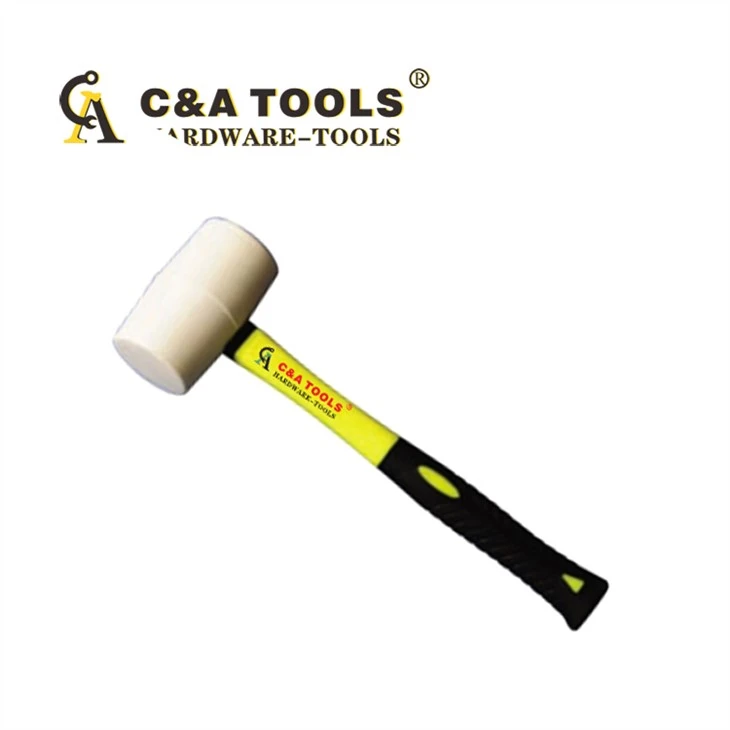
In addition to the tools mentioned above, we also offer other measuring tools that can be used in related applications. For example, we have Self - locking Stoning Hammer With Plastic Handle, White Rubber Mallet With PVC Handle, and Black Claw Hammer. These tools can be used in construction and maintenance work, where understanding the stress and force application is important.
Conclusion
Measuring stress accurately is essential for ensuring the safety, reliability, and performance of various structures and systems. Our company, as a leading supplier of measuring tools, offers a comprehensive range of products that can help you measure stress effectively. Whether you are in the engineering, construction, or scientific research field, our tools can meet your needs.
If you are interested in our products or have any questions about stress measurement, we invite you to contact us for procurement and further discussion. Our team of experts is ready to assist you in finding the right solutions for your specific requirements.
References
- "Mechanics of Materials" by Ferdinand P. Beer, E. Russell Johnston Jr., John T. DeWolf, and David F. Mazurek.
- "Measurement and Instrumentation Principles" by Alan S. Morris.
- "Engineering Materials Science" by Donald Askeland and Pradeep Fulay.