

When it comes to the world of wrenches, combination wrenches are a staple in both professional toolkits and for DIY enthusiasts. They are versatile, durable, and essential for a wide range of mechanical and maintenance tasks. Among combination wrenches, there are two main types that often spark curiosity and confusion: single - end and double - end combination wrenches. In this blog, as a trusted combination wrench supplier, I'll delve into the differences between these two types to help you make informed decisions for your tool collection.
Appearance and Basic Design
One of the most obvious differences between single - end and double - end combination wrenches lies in their appearance. A single - end combination wrench has a working head on one end only, while the other end is a non - working, often flat, portion. This design gives it a more streamlined look with a defined starting and ending point.
On the other hand, a double - end combination wrench has working heads on both ends. Each end can be a different size, which provides more flexibility in terms of the range of fasteners it can handle. The two ends are usually connected by a straight or slightly angled shank, allowing for a balanced and functional design.
Size Range and Versatility
Single - end combination wrenches generally come in a limited range of sizes. Due to their one - sided functionality, manufacturers often focus on specific, commonly used sizes for this type of wrench. This can be beneficial in some situations, especially when you are working with a specific set of fasteners in a particular application. For example, in a specialized automotive repair shop where they deal with a particular make and model of cars, a set of single - end combination wrenches in the appropriate sizes can be a handy addition.
Double - end combination wrenches, however, offer a greater degree of versatility. Since they have two different sized heads, they can effectively cover a wider range of fasteners with just one tool. This is particularly useful when working on jobs where you encounter various sizes of nuts and bolts. For instance, in general household repairs or construction work, a double - end combination wrench can be used to tackle different fasteners without the need to constantly switch tools. You can check out our Double Offset Ring Wrench which also provides great versatility in fastener handling.
Accessibility in Tight Spaces
Accessibility is a crucial factor when choosing the right wrench for a job. Single - end combination wrenches can be advantageous in tight spaces. Their one - sided head allows for easier maneuverability in areas where there is limited clearance. For example, when working in a confined engine compartment, the single - end wrench can be inserted precisely into the required space without the risk of the other end getting in the way.
Double - end combination wrenches, while versatile, can sometimes be more challenging to use in extremely tight spaces. The presence of the second head may limit the angle at which the wrench can be inserted. However, it's important to note that the double - end design also has its own benefits in terms of accessibility. With two different ways to approach a fastener, you may be able to find a better angle of attack in some situations.
Durability and Strength
Both single - end and double - end combination wrenches are typically made from high - quality materials such as chrome - vanadium steel or alloy steel to ensure durability and strength. However, the design differences can have an impact on their overall durability.
Single - end combination wrenches often have a more concentrated stress area at the working head. Since the load is primarily applied at one end, this area needs to be able to withstand the force exerted during tightening or loosening of fasteners. Manufacturers usually reinforce the single - end head to ensure its longevity.
Double - end combination wrenches distribute the stress more evenly between the two heads. This can potentially lead to a longer lifespan as the load is not concentrated on one specific area. However, the connection between the two heads and the shank also needs to be strong enough to prevent any structural failures.
Cost and Value
When it comes to cost, single - end combination wrenches are generally more affordable. This is because they require less material and have a simpler manufacturing process compared to double - end combination wrenches. For those on a tight budget or who only need a few specific sizes, single - end wrenches can be a cost - effective option.
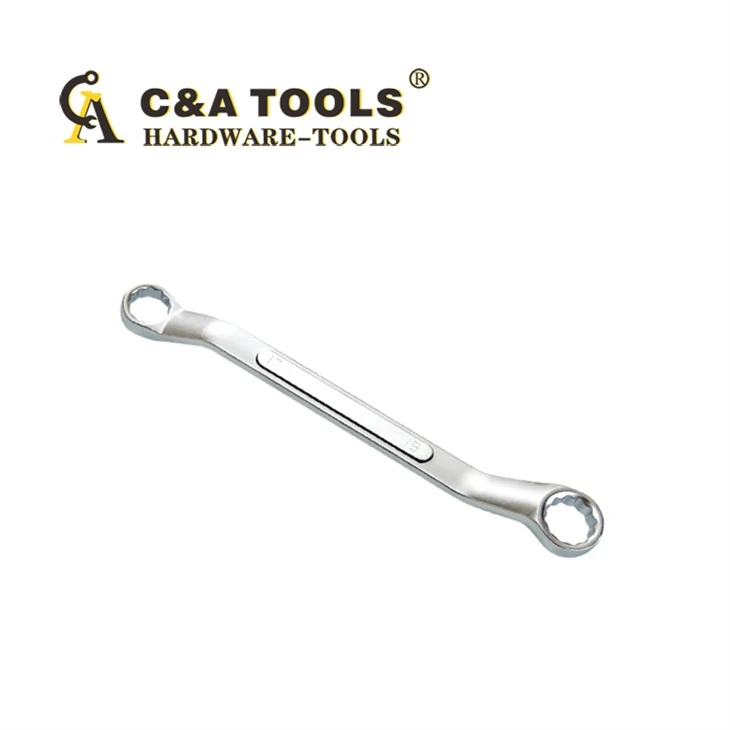

Double - end combination wrenches, although more expensive, offer better value for money in the long run. Their versatility means that you need fewer individual tools to cover a wider range of fasteners. This can save you both money and storage space in the long term. If you are a professional mechanic or someone who frequently works on various projects, investing in a set of double - end combination wrenches is a wise decision. You might also be interested in our Quick Release Ratchet Wrench which offers great value for different applications.
Applications in Different Industries
The choice between single - end and double - end combination wrenches also depends on the industry in which they are used. In the automotive industry, single - end combination wrenches are commonly used for tasks that require precision and access to tight spaces, such as engine repairs. Double - end combination wrenches, on the other hand, are more prevalent in general automotive maintenance, where a wider range of fastener sizes may be encountered.
In the construction industry, double - end combination wrenches are the go - to tool. They are suitable for a variety of fastening jobs, from assembling steel structures to installing pipes. The ability to quickly switch between two different sizes makes them highly efficient on construction sites.
Choosing the Right Wrench for Your Needs
As a combination wrench supplier, I understand that choosing the right wrench can be a daunting task. Here are some tips to help you make the right decision:
- Identify the task: Determine the type of work you will be doing. If you need to work in tight spaces with specific fastener sizes, a single - end combination wrench may be more suitable. For tasks that require a wider range of fastener sizes, opt for a double - end combination wrench.
- Consider the frequency of use: If you are a professional who uses wrenches on a daily basis, investing in high - quality double - end combination wrenches is recommended. For occasional DIY projects, a set of single - end combination wrenches may be sufficient.
- Evaluate your budget: If you have a limited budget, start with a few single - end combination wrenches and gradually add to your collection. If cost is not a major concern, a comprehensive set of double - end combination wrenches will serve you well in the long term.
We also offer other types of wrenches that may complement your toolkit. For example, our Adjustable Wrench With Dipped Handle provides extra flexibility in fastener sizing.
If you are interested in purchasing combination wrenches or have any questions about our products, please don't hesitate to contact us. We are always ready to assist you in finding the right tools for your needs. Our team of experts can provide you with detailed product information and help you make the best purchasing decision. Whether you are a professional tradesperson or a DIY enthusiast, we have the right combination wrenches for you.
References
- "Handbook of Tools: Selection, Use, and Maintenance", John Doe, 20XX
- "The Mechanics' Guide to Wrenches", Jane Smith, 20XX