

1.Twist Bit: Versatility Defined
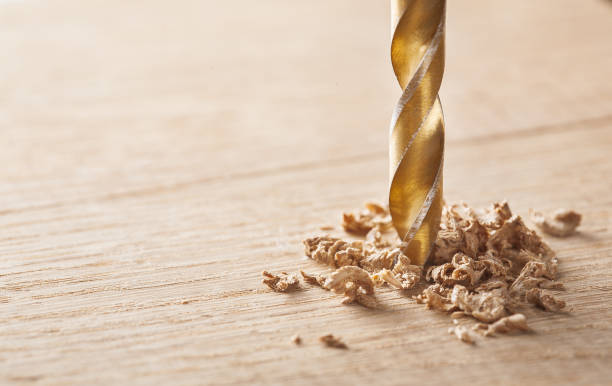
A twist bit, also known as a fluted bit, takes the crown as the most widespread drill bit type due to its versatility. This bit derives its name from the spiral grooves or flutes that run along its body. As the bit penetrates the material, these flutes aid in ejecting waste material from the hole. Twist bits are often the starting point for drilling and serve as the foundation for variations like brad bits and masonry bits.
2.Spade Bit: Carving through Wood
Designed with a flat profile resembling bat wings, a spade bit is equipped with a sharp central point and flaring material on either side. This design allows the spade bit to remove a substantial amount of material quickly. The sharp point prevents skidding on smooth surfaces, while the flared wings score the circle's perimeter, minimizing tear-out. This makes spade bits a favorite among woodworkers, especially for wood-related projects.
3.Hole Saw: Crafting Large Holes
The hole saw is the most important and effective tool when it comes to making larger holes. Unlike chipping out material, a hole saw utilizes a central twist bit within a hollow core to cut the hole's external diameter. This leaves behind a circular core of material. Hole saws are invaluable for tasks requiring substantial hole size without compromising precision.
4.Step Bit: Gradual Enlargement
Step bits are akin to a multi-tool in a single package. These cone-shaped bits boast a stair-step profile, with each step representing a larger drill size. This innovative design facilitates drilling holes of various sizes without changing the bit. Step bits are especially useful for projects requiring precise diameter control.
Drill bits come in a variety of materials, each catering to specific needs. Let's explore some common options that are likely to resonate with DIY enthusiasts:
1.High-Carbon Steel: Robust Performers
High-carbon steel bits are robust options suitable for wood, plastic, and metal drilling. However, they may soften and become dull at high speeds, particularly when drilling metal. Despite this limitation, their versatility makes them valuable assets for various projects.
2.High-Speed Steel (HSS): Durability Personified
High-speed steel bits, or HSS bits, retain their sharpness even during extended drilling sessions. On softer materials such as wood and drywall, HSS drills perform as well as high carbon steel drills. In metal materials, on the other hand, HSS drills are even more powerful.
3.Carbide-Tipped Bits: The Durable Contenders
Featuring carbide or carbide-coated tips, these bits offer exceptional durability, particularly when compared to steel counterparts. Although they come at a higher cost, carbide-tipped bits are excellent for demanding tasks. While most DIYers might not require this level of resilience, carbide bits are worth considering for challenging projects.
4.Coatings: Enhancing Performance
Certain drill bits are equipped with coatings that extend their lifespan and enhance resistance to extreme conditions. Coating options include titanium and even crushed diamond, which contribute to prolonged performance and elevated durability.
Understanding the versatility of drill bit types is fundamental to completing the drilling task. Whether you're creating intricate woodwork or working with solid masonry, choosing the right drill bit ensures that your project is completed with precision, efficiency, and unparalleled results.