

Every experienced craftsman and DIY enthusiast understands the importance of having a well-equipped workshop. Among the many tools that fill shelves and workbenches, the rubber hammer stands out as a versatile and indispensable companion. This seemingly simple tool has a variety of uses, making it a must-have tool in any workshop.
In this article, we will explore the versatility and importance of the rubber hammer and shed light on the countless tasks it can handle.
Understanding the Rubber Hammer
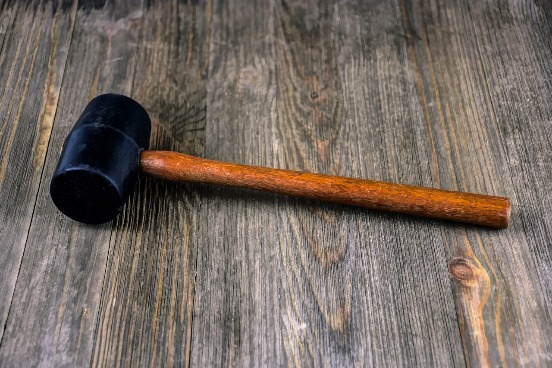
Before we delve into its many uses, let's get to know the rubber hammer better. This tool usually consists of two main parts:
1. Handle: The handle of a rubber hammer is usually made of wood or fiberglass, ensuring a comfortable grip and precise control. The handles vary in length to achieve different striking angles and forces.
2. Head: The head of a rubber hammer is what makes it different. It is made of a solid rubber material that covers the striking surface. The rubber head comes in various shapes, such as cylindrical or rectangular, and has different hardness levels to suit a variety of applications.
Applications of Rubber Hammers
1. Woodworking: Rubber hammers are very useful in woodworking and can be used for a variety of tasks. They are often used to gently tap wood joints without damaging the wood. In addition, they are used to assemble furniture, adjust woodwork, and set dowels, ensuring a tight fit without dents or wear.
2. Tile Installation: When laying tile, especially delicate or glass tile, a rubber hammer is the tool of choice. It helps level the tile and ensure that the tile is level while minimizing the risk of chipping or cracking.
3. Auto Body Repair: In the automotive world, rubber hammers play a vital role in auto body repair. They are used to reshape and manipulate metal panels without leaving marks or scratches. Auto body professionals rely on rubber hammers to restore the original contours of the vehicle.
4. Leatherworking: Leather workers use rubber hammers for tasks such as punching holes, riveting, and embossing patterns on leather. The soft striking surface ensures precise and controlled results.
5. Metalworking: Metal workers prefer rubber hammers because of their ability to shape and form metal without damaging or marring the material. They are used to bend, stretch, and align metal parts.
6. Carpentry: In carpentry, rubber hammers are used to assemble and disassemble wooden parts. They are particularly useful in fine woodworking and joinery.
Advantages of Rubber Hammers
The versatility and usefulness of rubber hammers can be attributed to several key advantages:
1. No Damage: The soft rubber head ensures that the striking surface will not damage the material being worked on, making it suitable for a variety of tasks.
2. Controllable Force: Users can apply controlled, precise force with a rubber hammer, making it ideal for delicate or fine work.
3. Reduced Vibration: The cushioning effect of the rubber head minimizes shock and vibration, which reduces hand fatigue during prolonged use.
4. Noise Reduction: Unlike metal hammers, rubber hammers produce less noise when used, making them suitable for indoor projects and shared workspaces.
5. Wide Hardness Range: Rubber hammers are available in a variety of hardness levels, allowing users to choose the right tool for their specific needs.
In short, rubber hammers, with their gentle and precise strikes, have become an indispensable tool in a variety of applications. When working with wood, metal, tile, leather, or any other delicate material, rubber hammers can get the job done precisely and skillfully.